Demolition vs. Deconstruction: Which Is Right for Your Project?
When planning a renovation, redevelopment, or building removal project, many property owners assume demolition is the only option. However, depending on the structure and project goals, deconstruction may also be worth considering. While both approaches involve removing parts of a building, they differ significantly in process, timeline, and outcomes.
Understanding the difference between demolition and deconstruction can help property owners make informed decisions before a project begins.
At Regional Environmental Demolition Inc., projects are evaluated based on safety, efficiency, regulatory requirements, and long-term goals to determine the most appropriate approach.
What Is Demolition?
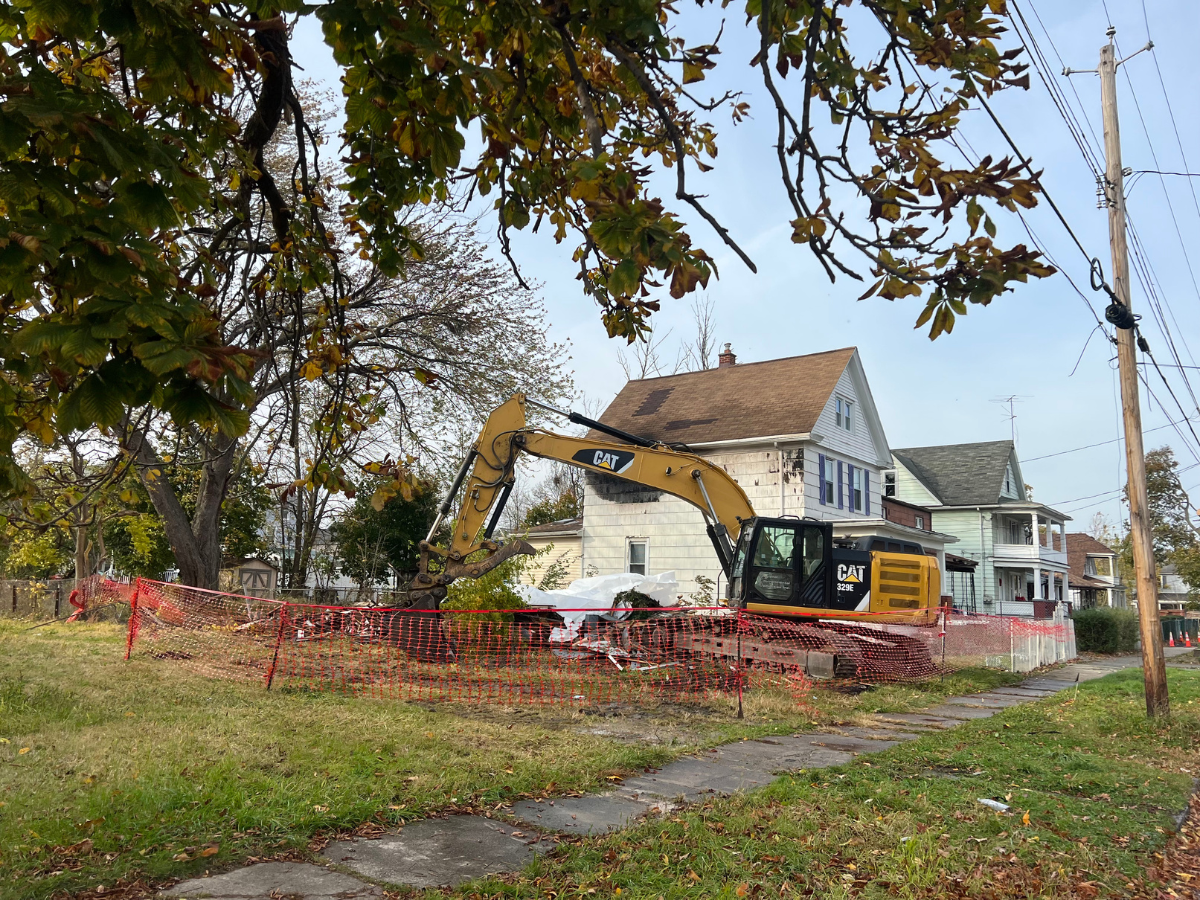
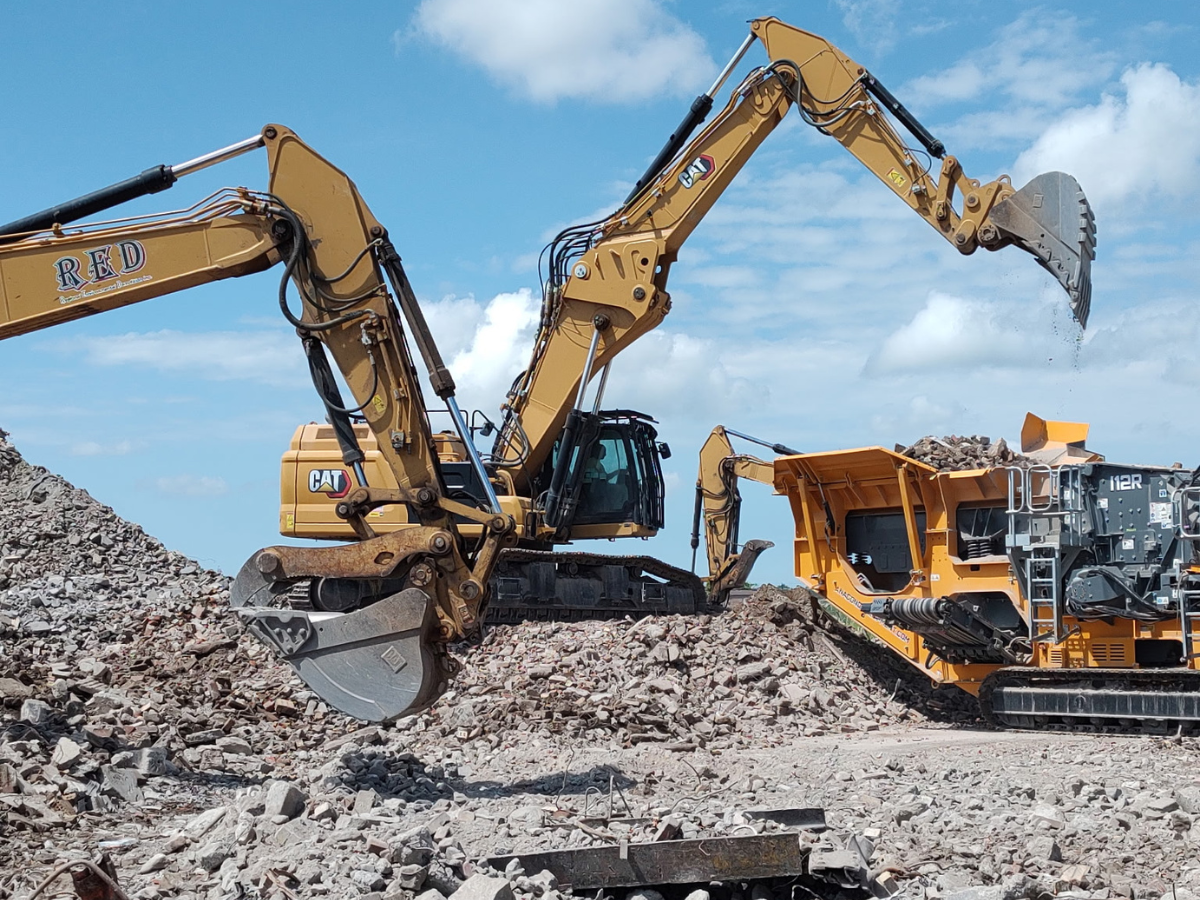
Demolition is the process of dismantling or tearing down a structure using specialized equipment and controlled techniques. The primary objective is to safely and efficiently remove a building, either partially or entirely.
Demolition is commonly used for:
- Residential teardowns
- Commercial redevelopment projects
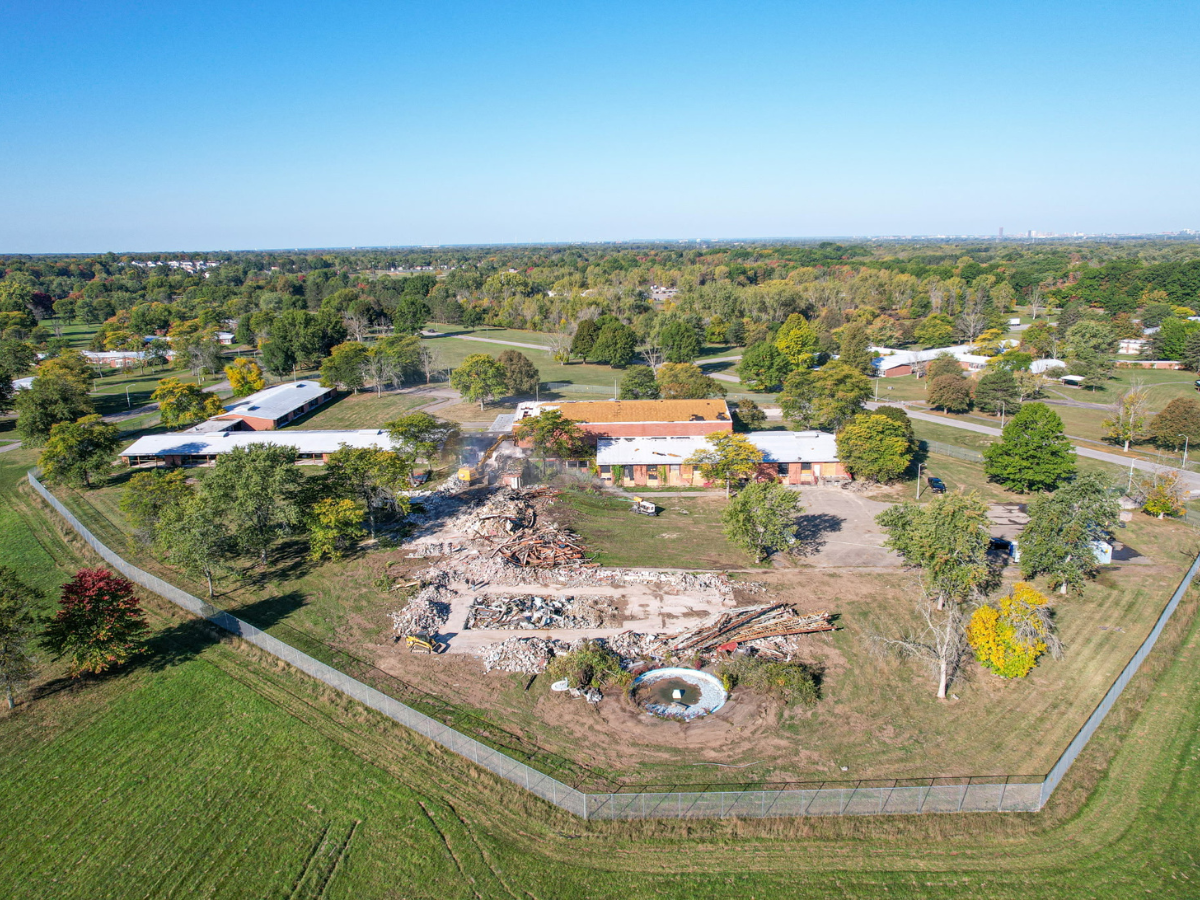
- Industrial facility removals
- Site preparation for new construction
- Structures that are unsafe or beyond repair
Because demolition is typically faster than deconstruction, it is often the preferred option when project timelines are a priority.
What Is Deconstruction?
Deconstruction involves carefully disassembling a building piece by piece to salvage reusable materials. Instead of removing a structure as quickly as possible, deconstruction focuses on preserving components that can be reused or repurposed.
Materials commonly salvaged during deconstruction include:
- Lumber
- Doors and windows
- Fixtures
- Architectural elements
- Certain building materials
Deconstruction is often considered when a structure contains valuable materials or historically significant features.
Key Differences Between Demolition and Deconstruction
While both methods remove structures, the process and objectives differ.
Demolition Prioritizes Efficiency
Demolition is designed to remove structures safely and efficiently, making it ideal for projects where:
- Time is a significant factor
- Buildings are heavily damaged
- Redevelopment schedules are tight
- Hazardous materials must be addressed before construction
Deconstruction Prioritizes Material Recovery
Deconstruction focuses on preserving materials for reuse. It may be appropriate when:
- Buildings contain reusable materials
- Historic elements need to be preserved
- Sustainability goals are a priority
- Project timelines allow for a more labor-intensive process
Environmental Considerations
Both demolition and deconstruction require environmental planning.
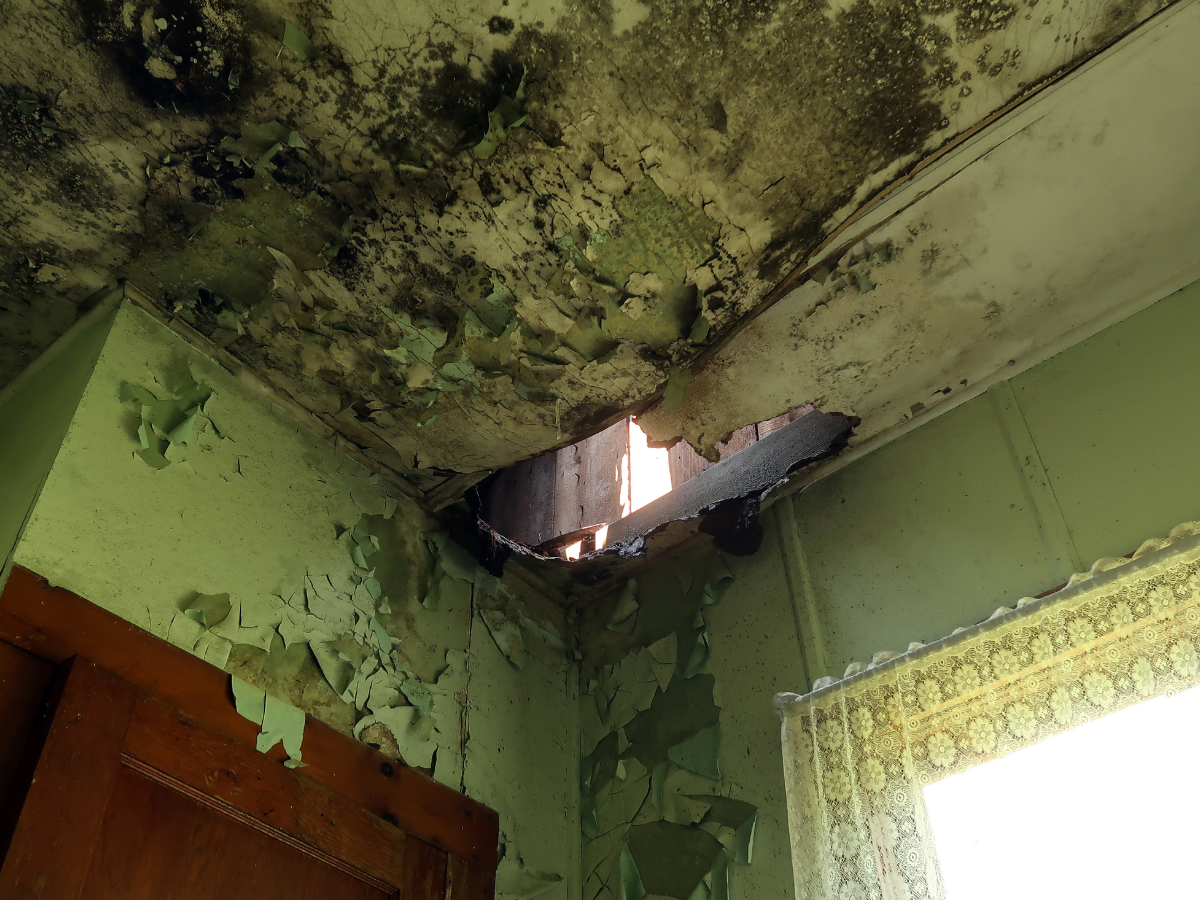
Older buildings may contain:
- Asbestos
- Lead-based paint
- Mold
- Other regulated materials
Before either process begins, environmental concerns must be properly evaluated and addressed to ensure compliance with New York State and federal regulations.
Which Option Is Right for Your Project?
The answer depends on several factors, including:
- Building condition
- Project timeline
- Budget considerations
- Environmental requirements
- Redevelopment goals
In many cases, demolition is the most practical solution for preparing a site for future construction. However, certain projects may benefit from selective deconstruction or a combination of both approaches.
The Importance of Professional Evaluation
Every structure is different. A professional site evaluation helps determine the safest and most cost-effective approach based on the condition of the building and the goals of the project.
Working with an experienced contractor ensures all regulatory, environmental, and safety considerations are addressed before work begins.
Planning a residential remodel or a commercial renovation?
Contact Regional Environmental Demolition Inc. today to discuss your project and schedule a site evaluation. Our team provides professional demolition, asbestos abatement, and environmental services throughout Western New York to help your project move forward safely and efficiently.