From Blueprint to Clean Slate: How Demolition Fits Into the Construction Timeline
Every successful construction or redevelopment project starts long before the first shovel hits the ground. One of the most important—but often overlooked—phases is demolition. Whether you’re building new housing, redeveloping commercial property, or working on municipal infrastructure, understanding how demolition fits into the overall timeline is key to keeping your project on track.
1. Planning and Permits
Before any demolition begins, proper planning is essential. This includes:
- Conducting site assessments and structural evaluations
- Obtaining necessary permits from local municipalities
- Coordinating with utility companies to ensure safe disconnections
- Scheduling environmental surveys, including asbestos and hazardous material inspections
Failing to secure permits or complete surveys can delay the entire construction timeline, so this step is crucial.
2. Asbestos Surveys and Abatement
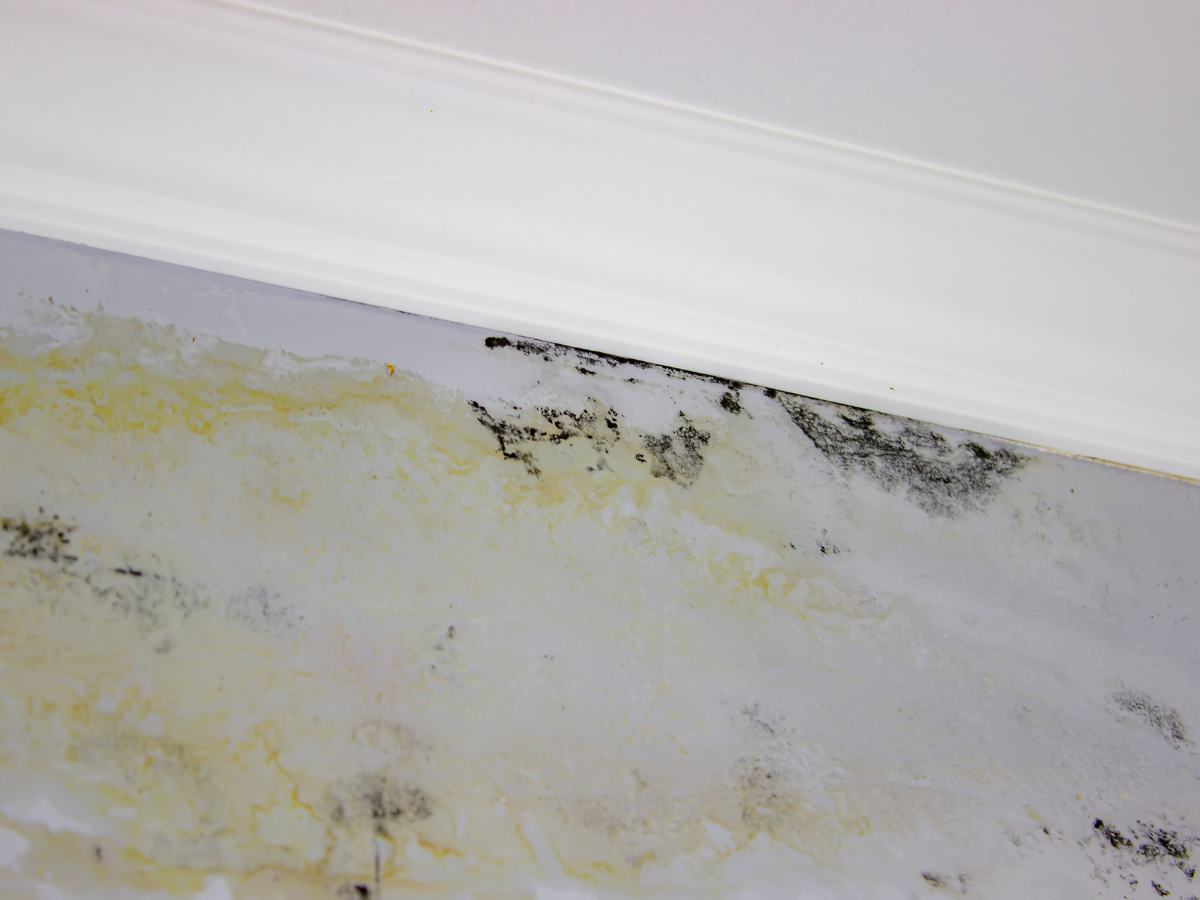
Many older buildings in Buffalo and Western New York contain asbestos or other hazardous materials. State and federal regulations require testing and, if needed, safe abatement before any demolition work begins. This ensures both worker safety and compliance with environmental laws.
At R.E.D., we handle asbestos surveys and abatement, streamlining the process so construction crews can get to work faster.
3. Demolition and Debris Removal
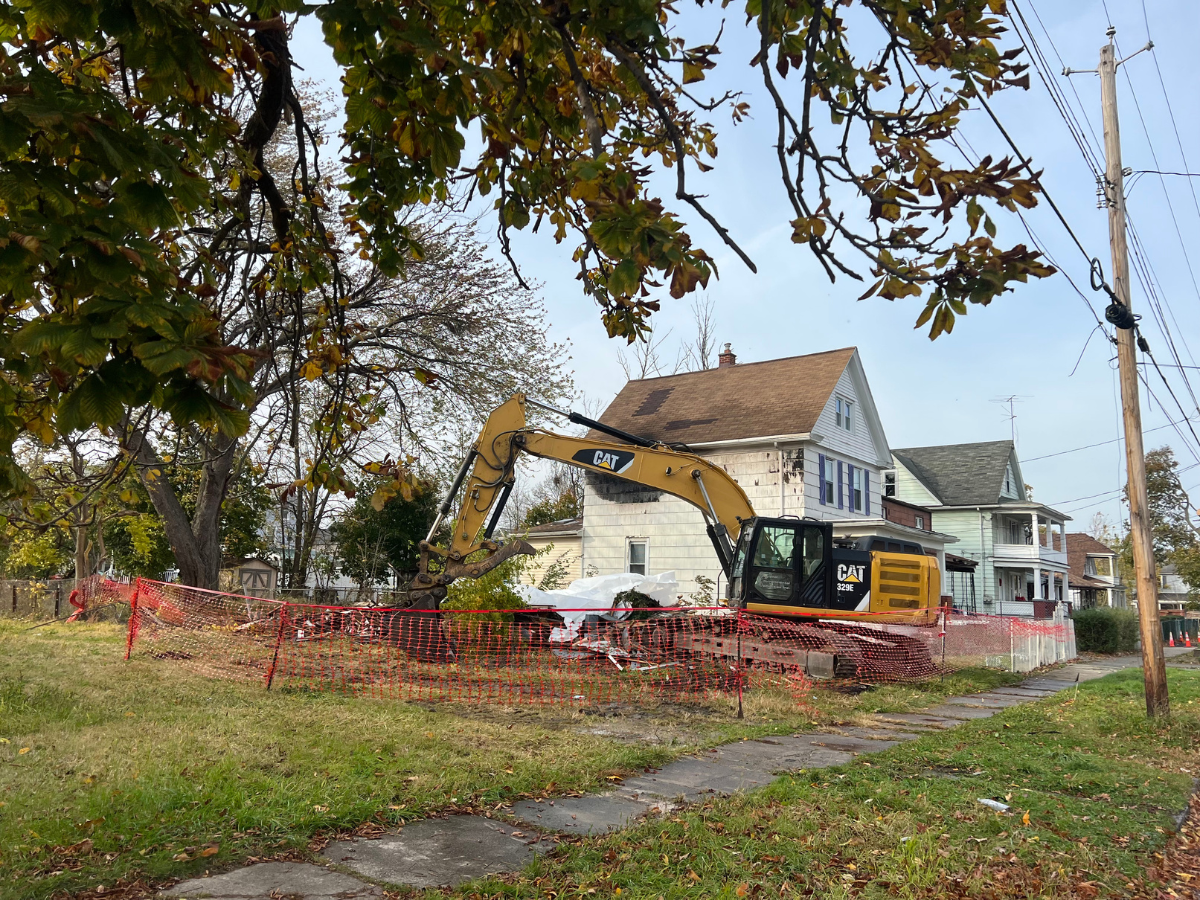
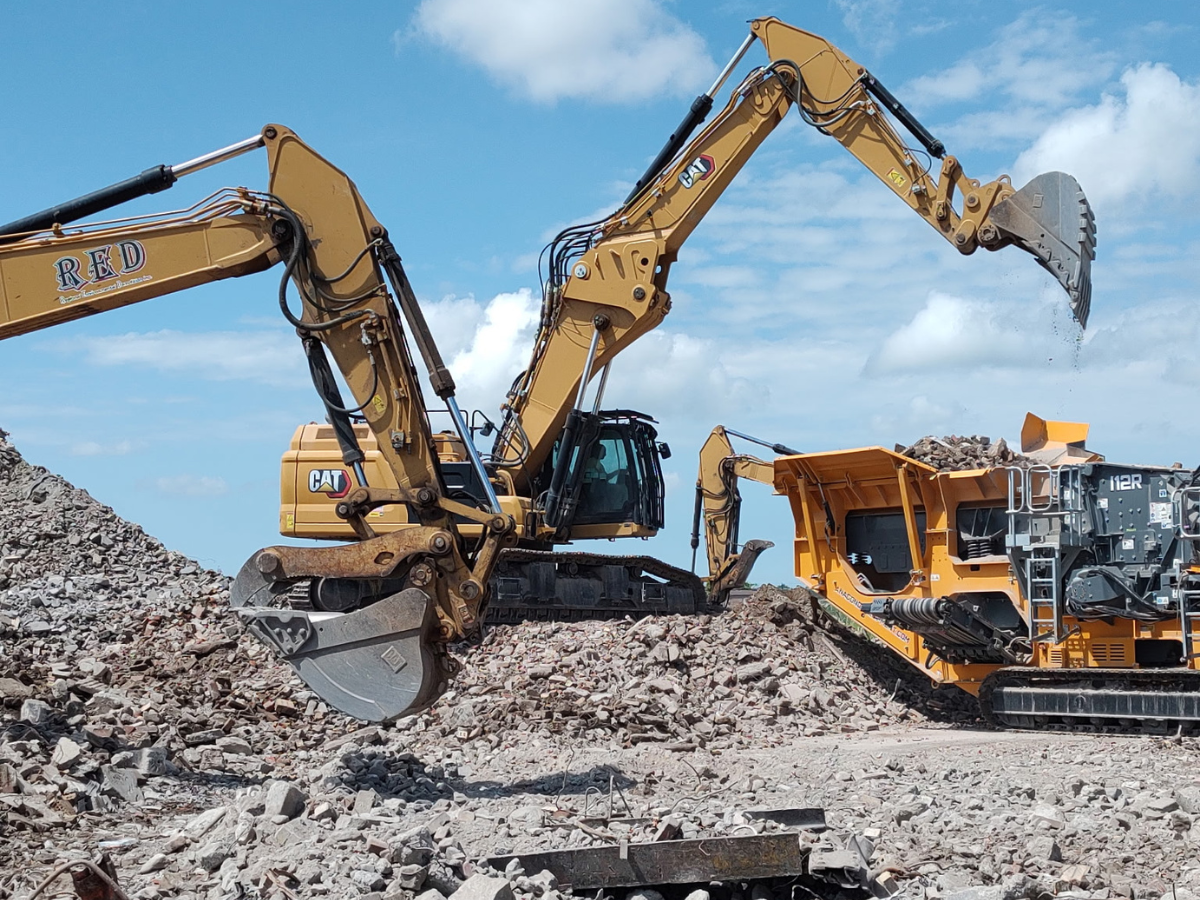
Once planning and abatement are complete, demolition can begin. Depending on the project, this may involve full structural teardown or selective interior demolition. Precision is key—our crews work efficiently while protecting nearby structures and ensuring proper debris separation for recycling or disposal.
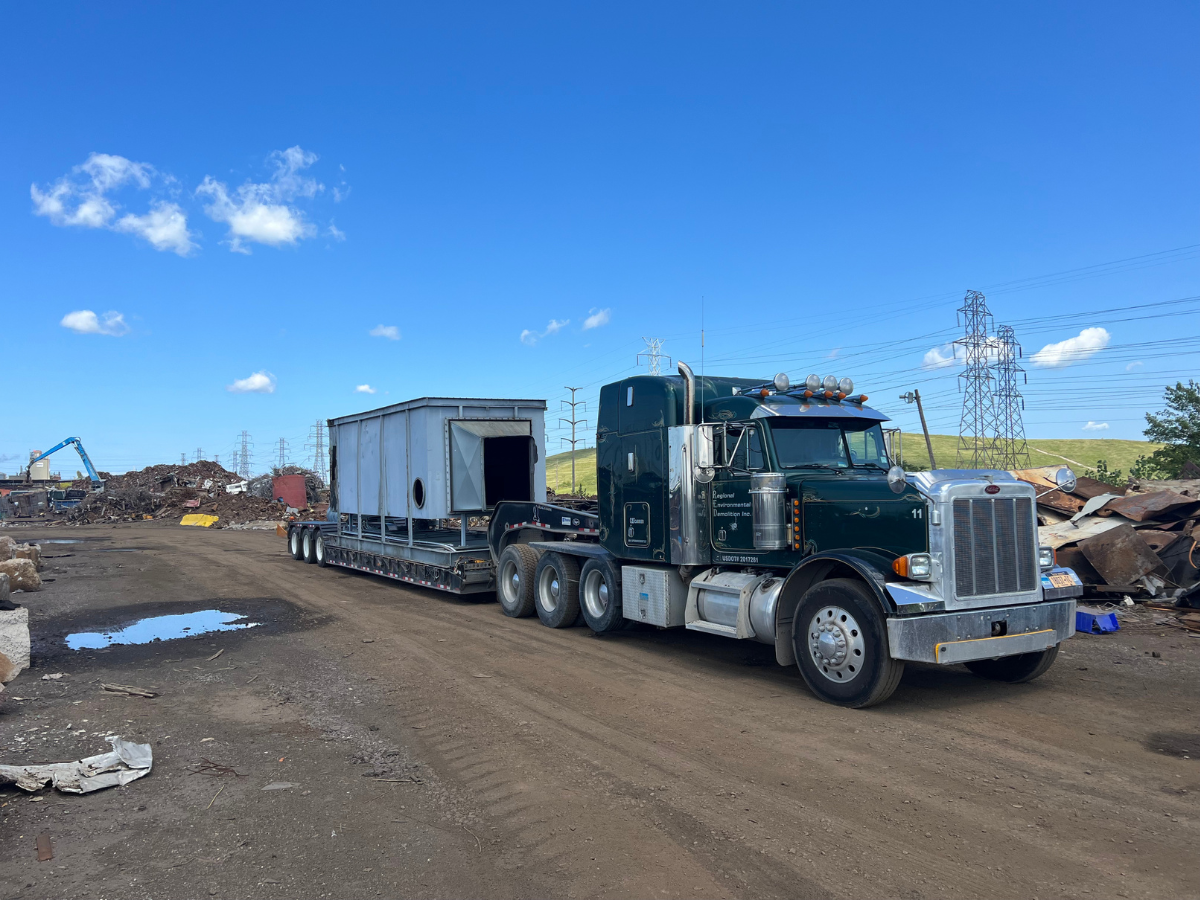
Timely debris removal also keeps the project moving forward, preventing bottlenecks that can push back construction start dates.
4. Site Remediation and Preparation
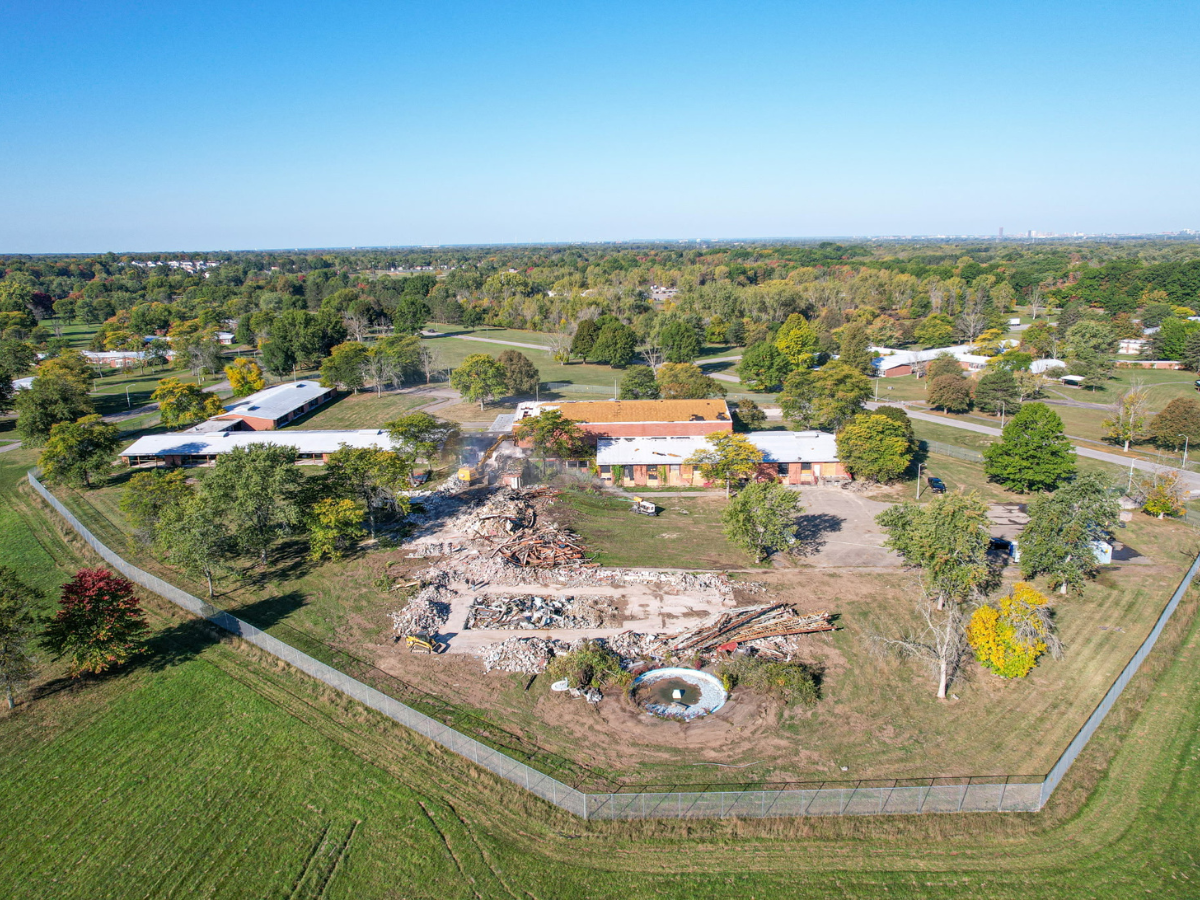
Demolition isn’t the end—it’s the bridge to redevelopment. After structures come down, the site often needs remediation to address soil contamination, stabilize the ground, or meet redevelopment standards. This step ensures a clean slate for builders to begin construction with confidence.
5. Construction Begins
With the site cleared and prepped, construction teams can move in to start the next phase. By integrating demolition seamlessly into the overall project timeline, developers, property owners, and municipalities can avoid costly delays and keep projects running smoothly.
Ready to start your next redevelopment project? Contact R.E.D. today to discuss how our demolition services can help bring your vision to life.