Lead Paint and Hazardous Materials: What Property Owners Should Know Before Renovating
Renovating an older property can uncover more than outdated finishes. In many homes and commercial buildings throughout Western New York, materials like lead-based paint and other hazardous substances may still be present. Before any renovation or demolition begins, it’s important to understand how these materials are handled safely and in compliance with regulations.
For property owners, identifying and addressing hazardous materials early can help prevent delays, protect occupants, and ensure a smoother construction process.
At Regional Environmental Demolition Inc., hazardous material considerations are a key part of demolition and environmental service planning.
Where Lead-Based Paint Is Commonly Found
Lead-based paint was widely used in residential and commercial construction before it was banned for residential use in 1978. In Western New York, many older properties may still contain lead paint on:
-
Interior walls and ceilings
-
Window frames and sills
-
Doors, trim, and baseboards
-
Exterior siding and painted surfaces
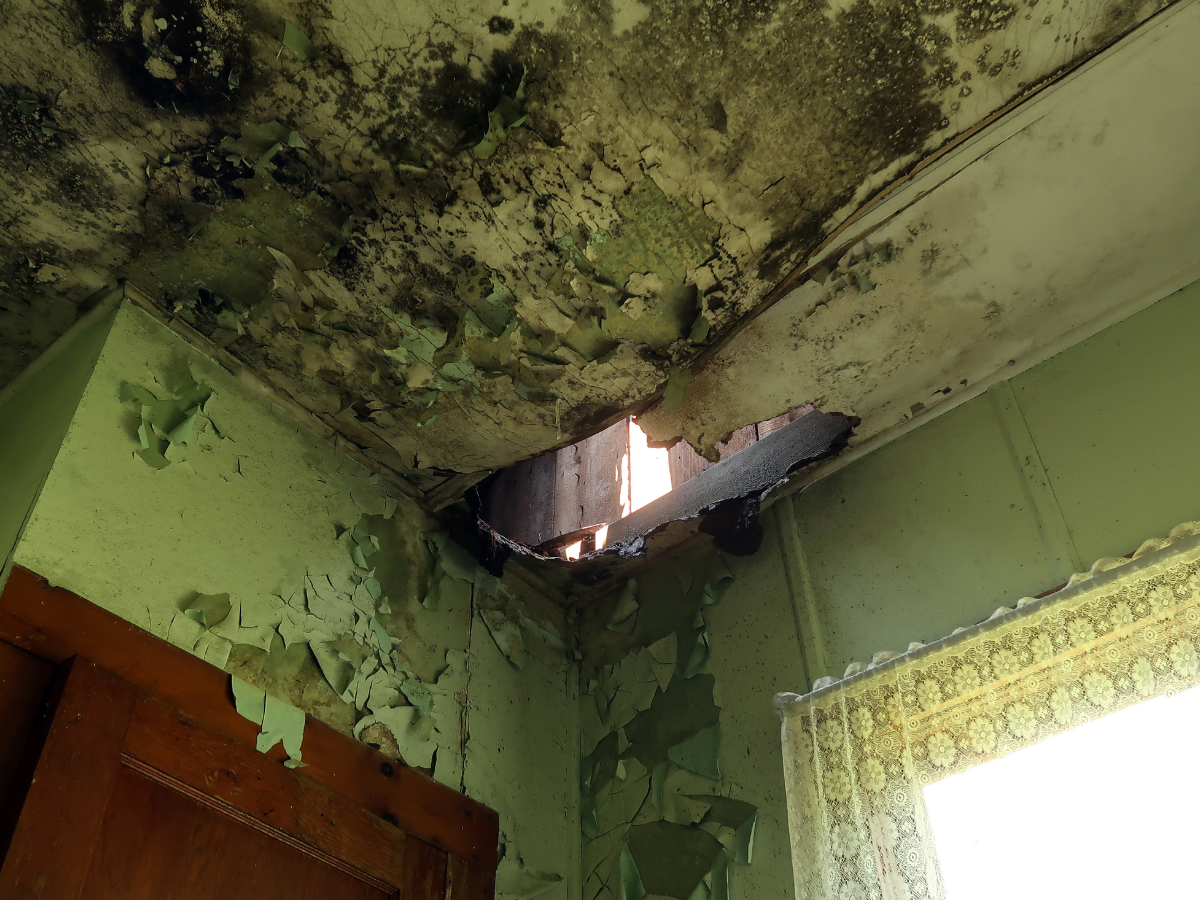
When these materials are disturbed during renovation or demolition, they can create hazardous dust and debris.
Why Lead Paint Is a Concern During Renovation
Lead exposure can pose serious health risks, especially for children and individuals with prolonged exposure. During renovation activities such as sanding, cutting, or demolition, lead dust can become airborne and spread throughout a property.
Without proper handling, this can result in:
-
Contamination of living or working spaces
-
Health risks for occupants and workers
-
Regulatory violations and project delays
This is why proper identification and control measures are essential before work begins.
Other Hazardous Materials to Be Aware Of
In addition to lead paint, older properties in Western New York may contain other hazardous materials, including:
-
Asbestos in insulation, flooring, and pipe coverings
-
Mold resulting from moisture damage
-
Contaminated building materials or debris
Each of these materials requires specific handling procedures to ensure safety and compliance.
The Importance of Proper Testing and Assessment
Before renovation or demolition begins, properties should be evaluated for hazardous materials. This may involve:
-
Lead paint testing or assessment
-
Asbestos inspections
-
Mold evaluations
Identifying these materials early allows for proper planning and prevents unexpected issues once work is underway.
Safe Removal and Compliance
Handling hazardous materials is regulated at both the state and federal level. Professional contractors follow strict guidelines to ensure:
-
Proper containment of affected areas
-
Safe removal of hazardous materials
-
Compliance with applicable regulations
-
Responsible disposal of contaminated materials
Attempting to handle these materials without proper training can create significant safety and legal risks.
Preparing Your Property for Renovation
Addressing lead paint and other hazardous materials before renovation helps ensure that projects stay on schedule and within budget. Proper planning reduces the risk of delays and creates a safer environment for everyone involved.
For property owners, taking the time to evaluate and manage these risks is a critical step in any successful renovation project.
Planning a residential remodel or a commercial renovation?
Contact Regional Environmental Demolition Inc. today to discuss your project and schedule a site evaluation. Our team provides professional demolition, asbestos abatement, and environmental services throughout Western New York to help your project move forward safely and efficiently.