Selective Demolition for Historic or Older Buildings: How It’s Done Safely
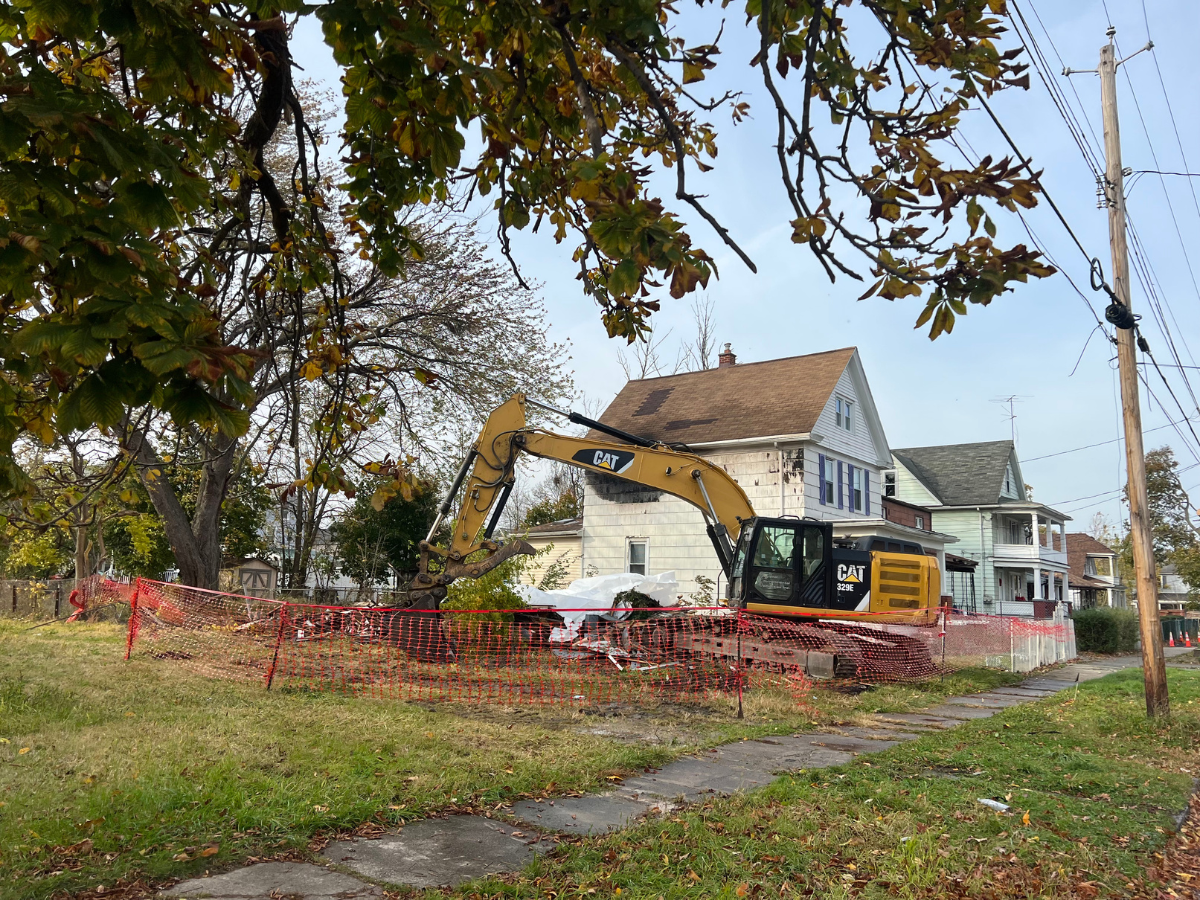
Western New York is home to a wide range of historic and older buildings, from early residential homes to long-standing commercial and industrial properties. When these structures require updates or redevelopment, full demolition isn’t always the best solution. In many cases, selective demolition allows key elements of a building to be preserved while removing areas that need repair or replacement.
For property owners and developers, understanding how selective demolition works is essential to protecting both the structure and the project timeline.
At Regional Environmental Demolition Inc., selective demolition projects are carefully planned to balance precision, safety, and structural integrity.
What Is Selective Demolition?
Selective demolition involves the targeted removal of specific portions of a structure while leaving the remaining elements intact. This approach is commonly used in:
-
Historic building renovations
-
Commercial remodels
-
Structural upgrades
-
Adaptive reuse projects
Unlike full demolition, selective demolition requires a high level of control and coordination to ensure that unaffected areas remain protected.
Why Selective Demolition Is Important for Older Buildings
Older and historic buildings often contain architectural features, structural elements, or materials that need to be preserved. Selective demolition allows property owners to:
-
Maintain the character of the building
-
Preserve structurally sound components
-
Reduce overall project costs
-
Support redevelopment while respecting existing structures
This approach is especially valuable in Western New York, where many buildings have historical or long-term community significance.
Planning and Structural Considerations
Selective demolition begins with a detailed assessment of the building. This includes:
-
Identifying load-bearing structures
-
Determining which materials can be removed safely
-
Coordinating with engineers and project teams
-
Establishing clear work zones
Careful planning ensures that demolition work does not compromise the stability of the remaining structure.
Environmental Factors in Older Structures
Older buildings may contain materials such as asbestos or lead-based paint that require special handling during demolition. Before selective demolition begins, these materials must be properly identified and addressed.
Environmental considerations may include:
-
Asbestos abatement
-
Lead paint management
-
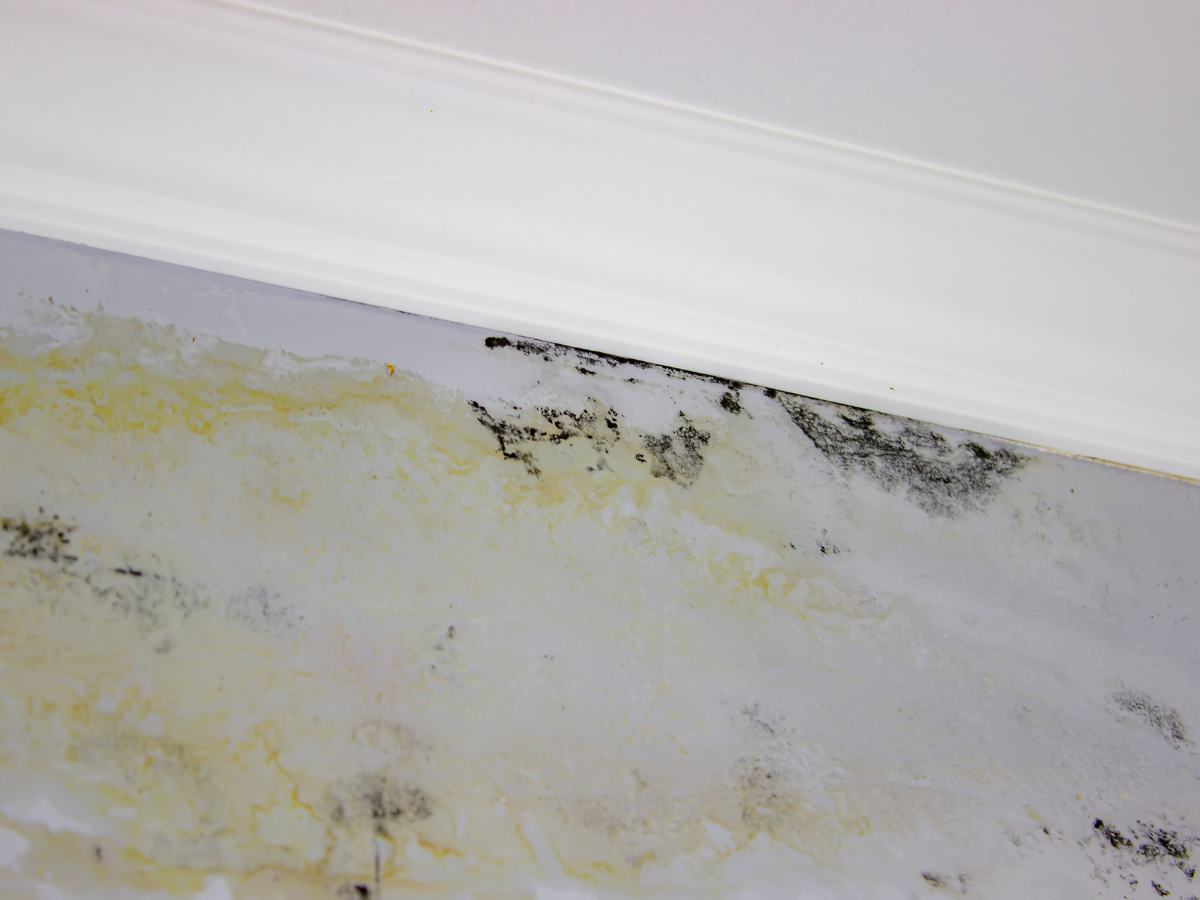
Mold remediation if present
Addressing these factors early helps prevent delays and ensures compliance with regulations.
Precision and Safety on the Job Site
Selective demolition requires skilled operators and specialized equipment to carefully remove targeted areas without affecting surrounding structures.
Safety measures typically include:
-
Controlled demolition techniques
-
Dust and debris containment
-
Protection of adjacent materials and spaces
-
Continuous monitoring of structural conditions
Precision is critical in ensuring both safety and project success.
Supporting Renovation and Redevelopment
Selective demolition plays a key role in preparing buildings for renovation, restoration, or repurposing. By removing only what is necessary, property owners can move forward with construction while preserving valuable elements of the original structure.
This approach supports both efficiency and long-term project goals.
Planning a residential remodel or a commercial renovation?
Contact Regional Environmental Demolition Inc. today to discuss your project and schedule a site evaluation. Our team provides professional demolition, asbestos abatement, and environmental services throughout Western New York to help your project move forward safely and efficiently.